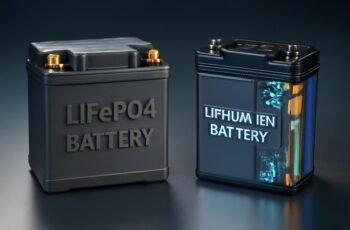
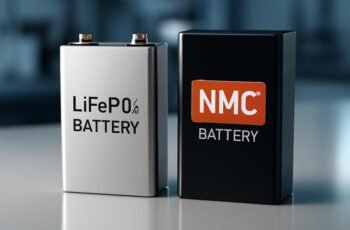
When evaluating energy storage options, understanding the fundamental differences between LiFePO4 and lead-acid batteries is essential. Both have distinct advantages and limitations that impact performance, longevity, and overall cost. As technology advances, the decision becomes more complex, especially when considering application-specific requirements and long-term sustainability. To make an informed choice, we need to examine their technical characteristics, cost implications, and practical use cases—details that will influence the best solution for various scenarios.
Key Takeaways
- LiFePO4 batteries offer higher energy density, longer lifespan, and lower maintenance compared to lead-acid batteries.
- Lead-acid batteries are cheaper upfront but have shorter cycle life and are heavier and bulkier.
- LiFePO4 provides better thermal stability and safety, reducing risks of thermal runaway.
- Lead-acid batteries require regular electrolyte checks and are less suitable for mobile or space-constrained applications.
- Future trends focus on solid-state batteries and recycling innovations to improve safety, sustainability, and performance.
What Are the Main Differences Between LiFePO4 and Lead-Acid Batteries?
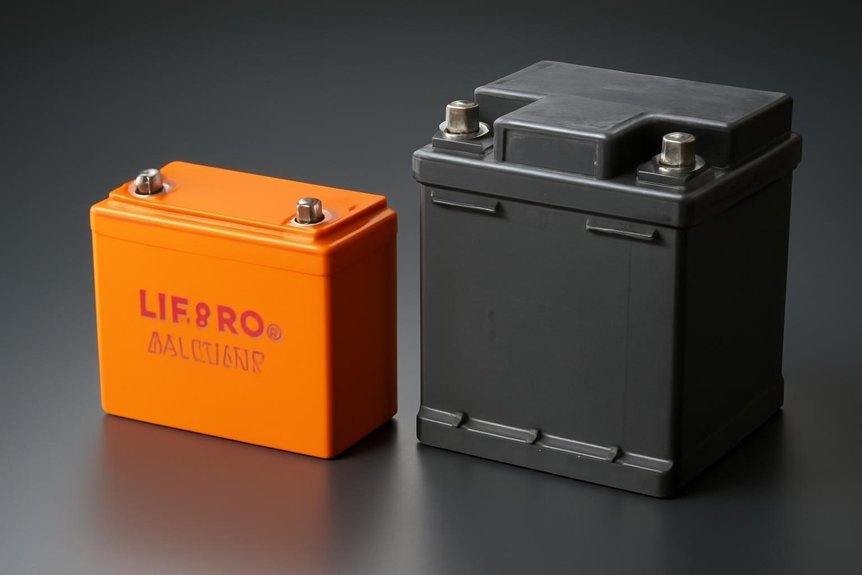
While both LiFePO4 and lead-acid batteries serve as energy storage solutions, their fundamental differences greatly impact performance, lifespan, and application suitability. The core distinction lies in their battery chemistry: LiFePO4 utilizes lithium iron phosphate, offering higher energy density, faster charging, and improved thermal stability. Lead-acid batteries rely on lead plates and sulfuric acid, which are heavier and have lower efficiency. Environmentally, LiFePO4 batteries have a markedly reduced environmental impact due to non-toxic materials and longer lifespans, minimizing waste. In contrast, lead-acid batteries pose disposal challenges because of toxic lead and acid, requiring careful recycling. These differences directly influence their durability, safety, and sustainability, making LiFePO4 a more advanced option for long-term, eco-conscious energy storage needs.
How Do LiFePO4 and Lead-Acid Batteries Compare in Cost and Value?
When comparing the cost and value of LiFePO4 and lead-acid batteries, it’s essential to evaluate both upfront investment and long-term performance. Our cost analysis shows that LiFePO4 batteries typically have a higher initial cost but offer greater overall value through superior efficiency and longevity. Lead-acid batteries may be less expensive initially, but their shorter lifespan and lower cycle count result in higher replacement and maintenance costs. The value comparison highlights that LiFePO4 batteries deliver better performance over time, reducing total cost of ownership. This makes them more cost-effective in the long run, especially for applications requiring frequent cycling or extended use. Ultimately, while the upfront expense is higher, the enhanced durability and efficiency of LiFePO4 batteries justify the investment.
Which Battery Type Offers Better Longevity and Maintenance?
Which battery type truly outperforms the other in longevity and maintenance? When evaluating longevity factors, LiFePO4 batteries generally surpass lead-acid types due to their deeper cycle life and slower capacity degradation. LiFePO4’s chemistry allows for approximately 2000-5000 cycles, compared to 300-1000 cycles for lead-acid batteries, translating into a longer service life. Maintenance requirements also differ considerably; lead-acid batteries demand regular checks of electrolyte levels and equalization charges, whereas LiFePO4 batteries are virtually maintenance-free, requiring only periodic system monitoring. The reduced maintenance needs of LiFePO4 batteries not only lower operational costs but also decrease downtime and risk of failure. Overall, LiFePO4 batteries provide superior longevity and lower maintenance demands, making them a more reliable choice over the long term.
How Do Weight and Size Impact Your Battery Choice?
The physical characteristics of a battery, particularly weight and size, greatly influence its suitability for specific applications. Battery portability depends heavily on weight considerations, as lighter batteries are easier to transport and install. Size constraints are critical when space is limited, requiring compact designs without sacrificing capacity. Energy density plays a pivotal role, as higher energy density allows for smaller, lighter batteries with greater storage capacity. LiFePO4 batteries typically offer better energy density and are more compact than lead-acid counterparts, making them ideal for mobile or space-restricted setups. Conversely, lead-acid batteries tend to be bulkier and heavier, which can hinder portability but may be acceptable in stationary applications. Ultimately, understanding how weight and size impact your needs guarantees a more informed, application-specific battery selection.
What Are the Safety Features and Risks of Each Battery?
Both LiFePO4 and lead-acid batteries incorporate specific safety features, but they also present distinct risks that must be carefully considered. Their safety protocols depend on battery construction and chemical stability; LiFePO4 batteries are inherently more thermally stable, reducing thermal runaway risks. Effective thermal management and risk assessment are essential to prevent overheating. Lead-acid batteries, with their acid electrolyte, pose higher environmental impact risks and require strict user guidelines for handling and disposal. Emergency measures include venting systems for lead-acid batteries and protective circuitry for LiFePO4 units. Overall, understanding these safety features and potential risks informs proper use and emergency response, ensuring safety and minimizing hazards related to chemical exposure, thermal events, and environmental impact.
Which Battery Performs Better in Specific Applications Like Solar Storage or EVs?
When evaluating battery options for specific applications like solar energy storage or electric vehicles, performance characteristics such as energy density, cycle life, and safety features become critical. LiFePO4 batteries excel in solar applications due to their longer cycle life and thermal stability, making them reliable for continuous energy storage. They also enhance EV performance by providing consistent power output and improved safety margins. Conversely, lead-acid batteries offer lower costs but fall short in cycle durability and energy density. To visualize their performance:
- LiFePO4’s high cycle count sustains long-term solar storage.
- Improved thermal stability minimizes safety risks in EVs.
- Lead-acid’s lower energy density limits range and efficiency.
How Do Charging and Discharging Characteristics Differ?
Charging efficiency varies between LiFePO4 and lead-acid batteries, with LiFePO4 typically offering higher efficiency due to lower internal resistance. Discharge rate differences impact how quickly each battery can deliver power without significant voltage drop or capacity loss. Additionally, voltage stability trends reveal that LiFePO4 maintains a more consistent voltage during discharge, influencing overall performance and system design.
Charging Efficiency Variations
Although LiFePO4 and lead-acid batteries serve similar functions, their charging efficiencies differ markedly due to intrinsic electrochemical properties. LiFePO4 batteries typically exhibit higher charging efficiency, with fewer energy losses per cycle, whereas lead-acid batteries often suffer from increased energy dissipation during charging.
Key differences include:
- Charging cycles: LiFePO4 maintains consistent efficiency over numerous cycles, reducing energy loss over time.
- Voltage stability: LiFePO4 sustains a stable voltage, minimizing energy wastage, unlike lead-acid’s voltage drop during charging.
- Internal resistance: Lower internal resistance in LiFePO4 translates into fewer energy losses during fast or repeated charging.
These factors collectively influence the overall charging efficiency, impacting operational costs and cycle life.
Discharge Rate Differences
The discharge characteristics of LiFePO4 and lead-acid batteries reveal significant differences rooted in their electrochemical properties. LiFePO4 batteries exhibit a more stable discharge curve, maintaining capacity retention even at higher discharge rates, thanks to their uniform electrochemical processes. Conversely, lead-acid batteries experience a notable decline in capacity retention as the discharge rate increases, primarily due to slower chemical reactions and internal resistance. This results in more rapid capacity loss under high discharge conditions. Additionally, LiFePO4 cells can sustain higher discharge currents without compromising overall battery health, whereas lead-acid batteries are more sensitive to elevated discharge rates, risking damage or reduced lifespan. These fundamental differences influence application suitability, especially where consistent performance under varying load demands is critical.
Voltage Stability Trends
While both LiFePO4 and lead-acid batteries exhibit voltage fluctuations during operation, their stability trends diverge markedly due to their electrochemical properties. LiFePO4 batteries maintain a relatively flat voltage curve during discharge, resulting in minimal voltage fluctuations and superior stability analysis. Conversely, lead-acid batteries experience a gradual voltage decline, with more pronounced fluctuations toward the end of discharge.
Key distinctions include:
- Voltage Plateau: LiFePO4 sustains a consistent voltage, reducing operational variability.
- Discharge Curve: Lead-acid batteries exhibit a steep voltage drop, complicating voltage regulation.
- Charge Behavior: LiFePO4 stabilizes quickly during charging, while lead-acid batteries are prone to voltage instability under high load.
These trends highlight LiFePO4’s superior voltage stability during cycling, essential for sensitive applications.
What Factors Should Influence Your Battery Selection for Your Needs?
Selecting the right battery depends on multiple factors that directly impact performance, lifespan, and cost-effectiveness. Key considerations include battery lifespan, which affects long-term value, and environmental impact, influencing sustainability choices. Energy density determines suitability for space-constrained applications, while temperature tolerance guarantees reliable operation across conditions. Cycle efficiency impacts overall energy use and longevity, making it crucial for high-cycle demands. Initial investment considerations include upfront costs versus long-term savings, especially when evaluating maintenance requirements and durability. Application suitability guides whether a battery’s characteristics align with specific needs, such as deep cycling or rapid charging. Balancing these factors enables informed decisions, optimizing performance and cost while minimizing environmental footprint and guaranteeing compatibility with operational demands.
Are There Future Trends or Innovations in Battery Technology to Consider?
Advances in battery technology are rapidly shaping the future landscape, driven by the need for higher energy densities, faster charging capabilities, and improved safety features. Key trends include solid state innovations, which promise enhanced safety and energy efficiency through the replacement of liquid electrolytes with solid materials. Additionally, battery recycling techniques are becoming more sophisticated, aiming to reduce environmental impact and recover valuable materials efficiently. Future developments might feature:
Battery innovations like solid state tech and advanced recycling are transforming safety, sustainability, and performance.
- Solid state batteries offering greater stability and energy density.
- Advanced recycling processes enabling sustainable lifecycle management.
- Fast-charging technologies reducing downtime for electric vehicles and grid storage.
These innovations will greatly influence the choice between LiFePO4 and lead-acid batteries, emphasizing safety, sustainability, and performance.
Frequently Asked Questions
How Do Temperature Variations Affect Lifepo4 and Lead-Acid Battery Performance?
Temperature effects greatly influence performance; LiFePO4 batteries maintain stability across temperature variations, showing superior performance compared to lead-acid batteries, which degrade faster in extreme cold or heat, impacting longevity and efficiency in real-world applications.
What Environmental Impacts Are Associated With Manufacturing and Disposing of Each Battery Type?
We recognize sustainability concerns, as manufacturing and disposal of LiFePO4 and lead-acid batteries involve resource extraction impacts; lead-acid batteries pose greater environmental risks due to lead toxicity, while LiFePO4 batteries offer a cleaner profile but still require careful end-of-life management.
Can Lifepo4 or Lead-Acid Batteries Be Recycled Effectively?
Like a well-oiled machine, recycling processes effectively reclaim materials from both batteries, extending their lifespan. Lead-acid batteries are highly recyclable, while LiFePO4 batteries also offer promising opportunities, though their recycling infrastructure continues to evolve.
How Does Battery Capacity Influence Overall System Design?
Battery capacity measurement directly impacts system scalability, as higher capacity enables larger energy storage. We design systems considering capacity to optimize performance, ensuring the balance between capacity, efficiency, and future expansion needs for reliable, scalable energy solutions.
Are There Specific Industries or Applications Where One Battery Type Is Preferred Over the Other?
We find LiFePO4 batteries preferred in automotive applications and renewable energy systems due to their longer lifespan, better safety profile, and higher energy density, whereas lead-acid batteries remain common for cost-sensitive, less demanding applications.
Conclusion
In conclusion, choosing between LiFePO4 and lead-acid batteries is like selecting the right tool for a precise job—we need to weigh energy density, lifespan, and maintenance demands carefully. While LiFePO4 offers advanced safety, longevity, and efficiency, lead-acid remains a cost-effective option for short-term or less demanding uses. Ultimately, understanding your specific application and future needs guarantees you make the most informed, strategic decision for sustainable energy management.