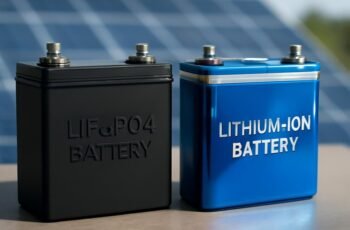
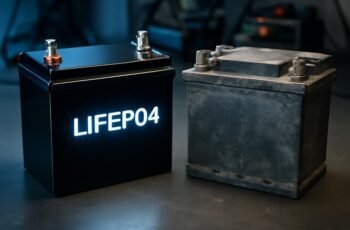
When comparing LiFePO₄ and lead acid batteries, we recognize that each technology offers distinct advantages and limitations, influencing their suitability for various applications. While LiFePO₄ batteries provide higher efficiency and longer lifespan, they come with a higher initial investment. Conversely, lead acid batteries remain a budget-friendly choice but require more maintenance and have a shorter service life. Understanding these differences is essential, but the decision ultimately hinges on specific operational needs and long-term considerations.
Key Takeaways
- LiFePO₄ offers higher energy density and longer lifespan compared to lead acid batteries.
- Initial costs for LiFePO₄ are higher, but it is more cost-effective over time due to better efficiency and longevity.
- LiFePO₄ requires minimal maintenance, whereas lead acid batteries need regular checks and watering.
- Suitable for high-demand applications like EVs and solar systems, while lead acid is common in backup and off-grid setups.
- LiFePO₄ is safer and more environmentally friendly due to non-toxic materials and easier recycling.
How Do LiFePO4 and Lead Acid Batteries Differ in Technology?
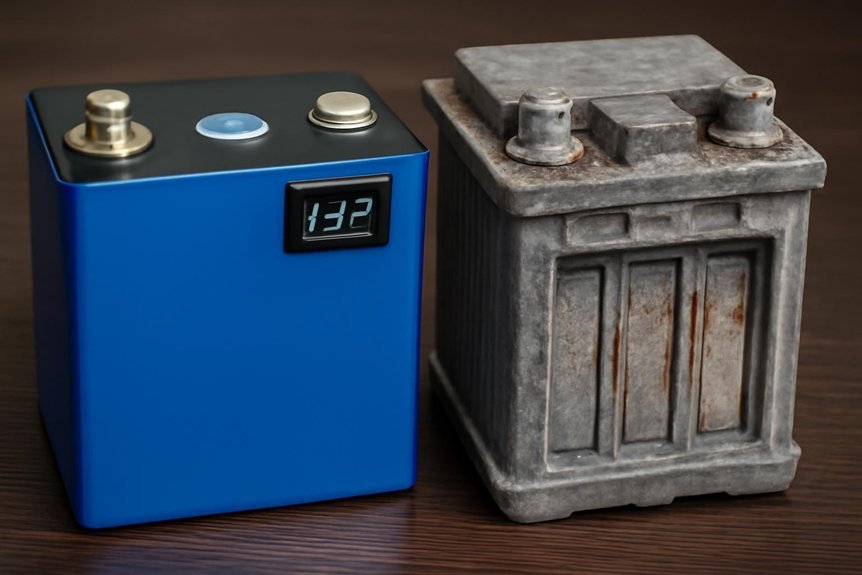
Although both LiFePO₄ and lead acid batteries serve as energy storage solutions, their underlying technologies differ markedly. LiFePO₄ batteries utilize lithium iron phosphate chemistry, resulting in higher energy density, which allows for more stored energy in a compact form. In contrast, lead acid batteries rely on lead plates and sulfuric acid, offering lower energy density but proven durability. Charging efficiency also varies considerably; LiFePO₄ batteries exhibit higher charging efficiency with less energy loss during cycles, enabling faster and more energy-conserving recharges. Lead acid batteries, however, suffer from deeper discharge limitations and lower efficiency, often leading to longer charging times and increased energy waste. These technological differences fundamentally influence performance, lifespan, and suitability for various applications.
Which Battery Is More Cost-Effective Over Time?
When evaluating the long-term cost-effectiveness of batteries, it’s essential to contemplate not just the initial purchase price but also the total cost of ownership, including maintenance, lifespan, and energy efficiency. LiFePO4 batteries typically have higher upfront costs but excel in energy efficiency and durability, reducing replacement and maintenance expenses over time. Lead acid batteries, while cheaper initially, often incur higher costs through shorter lifespan and more frequent replacements. Conducting a thorough cost analysis reveals that LiFePO4 batteries usually offer better value in the long run, especially in applications demanding high performance and reliability.
| Feature | LiFePO4 | Lead Acid |
|---|---|---|
| Initial Cost | Higher | Lower |
| Energy Efficiency | Superior | Moderate |
| Longevity | Longer lifespan | Shorter lifespan |
How Do LiFePO4 and Lead Acid Batteries Perform in Terms of Longevity and Maintenance?
When comparing longevity, LiFePO4 batteries typically offer considerably longer cycle life than lead acid options, reducing replacement frequency over time. Maintenance requirements differ markedly, with LiFePO4 systems needing minimal upkeep, whereas lead acid batteries require regular checks and watering. These factors directly impact the long-term cost-effectiveness of each type, influencing operational efficiency and total ownership costs.
Battery Lifespan Comparison
LiFePO4 batteries generally outperform lead acid batteries regarding longevity and maintenance requirements. Their superior cycle stability translates into a higher number of charge-discharge cycles before significant battery degradation occurs, often exceeding 2,000 cycles compared to 500-1,000 for lead acid. This enhanced cycle life results in a longer overall lifespan, as fewer cycles accelerate battery wear. Additionally, LiFePO4’s stable chemistry minimizes capacity fade over time, maintaining performance longer. In contrast, lead acid batteries experience faster degradation due to sulfation and limited cycle stability, leading to reduced efficiency and earlier replacement needs. Consequently, the extended longevity of LiFePO4 batteries offers a more durable, cost-effective solution for demanding applications, especially where long-term reliability is critical.
Maintenance Requirements Differences
LiFePO4 batteries generally require less maintenance over their lifespan compared to lead acid counterparts, owing to their stable chemistry and design. They have a lower charging frequency, which reduces the need for frequent monitoring and reduces wear on internal components. Unlike lead acid batteries, which demand regular equalization charges and electrolyte checks, LiFePO4 cells are more resilient and less prone to sulfation or stratification. Maintenance tools are minimal; a basic voltmeter and occasional balance checks suffice to guarantee peak performance. Lead acid batteries, conversely, require more active maintenance, including fluid top-ups and terminal cleaning. Overall, the reduced maintenance tools and infrequent charging cycles make LiFePO4 batteries a more convenient and durable choice for systems demanding reliability with minimal upkeep.
Long-Term Cost Effectiveness
Although initial costs for lithium iron phosphate (LiFePO4) batteries are higher, their superior longevity and lower maintenance requirements often lead to better long-term cost analysis and improved investment returns. LiFePO4 batteries typically offer over 2,000 charge cycles, vastly surpassing lead acid batteries, which average around 500 cycles. This extended lifespan reduces replacement frequency and associated labor costs, enhancing overall cost-effectiveness. Additionally, their lower maintenance needs minimize operational expenses, further improving total cost analysis over time. While upfront expenses are greater, the durability and reduced upkeep of LiFePO4 batteries translate into substantial savings, making them a more financially sound choice for long-term applications. Ultimately, considering longevity and maintenance factors, LiFePO4 batteries deliver superior investment returns compared to lead acid counterparts.
Which Battery Type Is Better Suited for Different Applications?
Determining which battery type is better suited for specific applications requires a careful analysis of their respective performance characteristics and operational demands. For solar applications, Lifepo4 batteries excel due to their high cycle life, stable voltage, and superior depth of discharge, making them ideal for energy storage. In contrast, lead acid batteries, with their lower upfront costs, are often used in off-grid or backup systems but require more maintenance and have shorter lifespans. When considering electric vehicles, Lifepo4 batteries provide higher energy density, faster charging, and better thermal stability, supporting longer driving ranges and safety. Lead acid batteries are generally less suitable for EVs due to their weight and lower cycle life. Ultimately, Lifepo4 batteries are better aligned with advanced, demanding applications, while lead acid suits simpler, cost-sensitive uses.
What Are the Safety and Environmental Considerations for Each Battery?
Safety and environmental considerations are critical factors when evaluating battery technologies, as they directly impact handling, disposal, and overall sustainability. Both Lifepo4 and lead acid batteries must adhere to safety standards to prevent hazards like thermal runaway or leaks. Lifepo4 batteries generally pose a lower environmental impact due to non-toxic materials and stable chemistry, reducing risks during disposal. In contrast, lead acid batteries contain toxic lead and sulfuric acid, requiring specialized recycling processes.
Safety and environmental factors are key in choosing batteries, with Lifepo4 being safer and more eco-friendly than lead acid options.
- Safety standards guarantee proper handling and minimize risks of fires or leaks.
- Environmental impact varies, with Lifepo4 being more eco-friendly.
- Disposal protocols for lead acid batteries are more complex due to toxic components.
- Recycling efficiency favors Lifepo4, which contains less hazardous materials.
How Do You Choose Between LiFePO4 and Lead Acid Batteries for Your Needs?
Choosing between LiFePO4 and lead acid batteries depends on evaluating specific application requirements, including performance, lifespan, cost, and environmental impact. Key considerations involve battery capacity and charging speed. LiFePO4 batteries typically offer higher energy density, providing greater battery capacity for the same size, which is essential for space-constrained applications. Additionally, they feature faster charging speeds, reducing downtime and increasing operational efficiency. Lead acid batteries, while more affordable upfront, generally have lower capacity and slower charging rates, which can limit productivity over time. When selecting, consider whether your priority is initial cost or long-term performance. For demanding, high-cycle applications, LiFePO4’s enhanced capacity and rapid charging make it a superior choice, whereas lead acid may suffice for low-demand scenarios.
Frequently Asked Questions
Are Lifepo4 Batteries More Environmentally Friendly Than Lead Acid?
We believe LiFePO4 batteries are more environmentally friendly due to their lower toxicity and improved sustainability impact, thanks to more efficient recycling processes. They produce fewer harmful emissions, making them a better choice for eco-conscious applications.
How Quickly Can Each Battery Type Be Recharged?
We find Lifepo4 batteries recharge swiftly, often within a few hours, thanks to high charging efficiency and numerous recharge cycles, whereas lead acid batteries take longer, with lower efficiency and fewer cycles, impacting overall charging speed.
Do Lifepo4 Batteries Require Special Storage Conditions?
Lifepo4 batteries require storage in a temperature-sensitive environment, ideally between 0°C and 45°C, and low humidity to prevent capacity loss. We recommend maintaining stable conditions to guarantee longevity and peak performance over time.
What Are the Weight Differences Between These Batteries?
We find that Lifepo4 batteries are considerably lighter due to their higher energy density, which reduces transport implications and handling complexities, unlike lead acid batteries, which are heavier and more cumbersome for storage and mobility.
Can Existing Lead Acid Systems Be Easily Upgraded to Lifepo4?
Upgrading existing lead acid systems to Lifepo4 involves a detailed cost analysis and careful assessment of the installation process, as compatibility issues may arise. We recommend consulting a professional to guarantee seamless integration and peak performance.
Conclusion
In summary, choosing between LiFePO₄ and lead acid batteries hinges on harnessing their respective strengths. While lead acid offers affordability upfront, LiFePO₄ excels in longevity, safety, and efficiency. By analyzing application demands, budget, and long-term goals, we can make informed decisions. Ultimately, a strategic selection guarantees peak performance, prolonged productivity, and prudent investment—powering progress with precision and purpose.