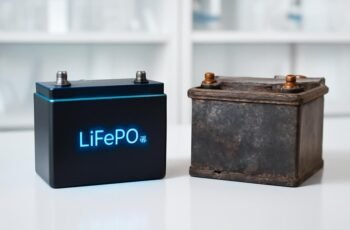
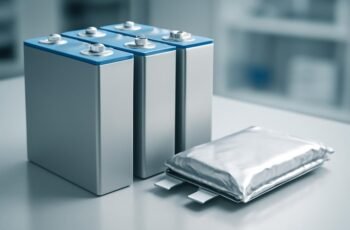
When comparing LiFePO4 and lithium-ion batteries, we recognize that their chemical compositions influence safety, longevity, and performance. Both have distinct advantages and limitations, depending on the application. To determine which is more suitable, we need to analyze their technical differences and real-world implications carefully. Understanding these nuances is essential for making an informed decision tailored to specific needs and priorities, prompting us to examine each aspect closely.
Key Takeaways
- LiFePO4 offers superior safety and thermal stability compared to lithium-ion batteries.
- Lithium-ion batteries generally provide higher energy density and faster charging capabilities.
- LiFePO4 batteries have a longer cycle life, making them more durable over time.
- Initial costs of LiFePO4 are higher, but they tend to be more cost-effective long-term.
- Application needs (safety, lifespan, power, or portability) determine which battery type is better suited.
How Do LiFePO4 and Lithium-Ion Batteries Differ in Composition and Chemistry
How do LiFePO4 and lithium-ion batteries differ fundamentally in their composition and chemistry? The core distinction lies in their battery composition, particularly the cathode material. LiFePO4 batteries utilize lithium iron phosphate, known for its chemical stability, which results in a more stable crystal structure and reduces thermal runaway risks. Lithium-ion batteries typically employ layered metal oxides like cobalt or nickel, which are more reactive. This difference influences not only safety but also long-term performance. The chemical stability of LiFePO4 contributes to a more durable, less prone to degradation over time. Conversely, lithium-ion chemistries are more prone to capacity fade due to their less stable cathode materials. Overall, these compositional differences fundamentally shape each battery type’s behavior, safety, and longevity.
Which Battery Type Offers Better Safety and Longevity?
When evaluating safety and longevity, LiFePO4 batteries generally outperform lithium-ion chemistries due to their inherent chemical stability. Their advanced safety features, such as thermal stability and reduced risk of thermal runaway, contribute to a superior safety profile. In a thorough longevity comparison, LiFePO4 cells demonstrate a longer cycle life—often exceeding 2,000 cycles—compared to conventional lithium-ion batteries. This enhanced durability stems from their stable phosphate chemistry, which resists degradation under repeated charge and discharge. Lithium-ion batteries, while offering high energy density, tend to degrade faster and pose higher safety risks under stress or damage. Overall, LiFePO4’s combination of stable chemistry and robust safety features makes it a more reliable choice for applications demanding longevity and safety.
How Do Performance and Charging Characteristics Compare?
The performance and charging characteristics of LiFePO4 and lithium-ion batteries reveal significant differences rooted in their chemical structures. LiFePO4 batteries generally offer longer charge cycle life, often exceeding 2,000 cycles, due to their stable chemistry, which enhances durability. They also support lower discharge rates, making them suitable for applications requiring steady, reliable power over extended periods. Lithium-ion batteries, on the other hand, typically provide higher discharge rates, enabling rapid energy delivery essential for high-performance devices. However, their charge cycle life is shorter—around 500 to 1,000 cycles—due to faster capacity fade. These differences influence their suitability for specific applications, with LiFePO4 excelling in longevity and safety, while lithium-ion batteries deliver superior power density and faster charging capabilities.
What Are the Cost Implications and Application Suitability of Each Battery?
Considering their distinct chemistry and performance profiles, the cost implications and application range of LiFePO4 and lithium-ion batteries differ markedly. A thorough cost analysis reveals that LiFePO4 batteries typically have higher initial costs but lower long-term maintenance expenses due to their longer lifespan and enhanced safety. Conversely, lithium-ion batteries often feature lower upfront costs but may incur higher replacement or safety-related costs over time. Their application range varies accordingly: LiFePO4 excels in stationary storage, solar systems, and electric vehicles requiring durability, while lithium-ion batteries are favored for portable electronics and short-term use.
| Aspect | LiFePO4 | Lithium-Ion |
|---|---|---|
| Initial Cost | Higher | Lower |
| Lifespan | Longer | Shorter |
| Safety | Superior | Moderate |
| Application Range | Stationary, EVs, solar | Portable electronics, EVs |
| Maintenance Cost | Lower | Higher |
Which Battery Is the Right Choice for Your Specific Needs?
Selecting the appropriate battery type depends heavily on your specific application requirements, budget constraints, and long-term goals. For applications needing sustained power output, such as deep cycle uses, Lifepo4 batteries excel due to their superior cycle life and safety profile. Lithium-ion batteries typically offer higher energy density, making them suitable for lightweight, space-constrained applications. If your priority is prolonged, reliable power over many cycles, Lifepo4 is advantageous; for higher energy density in portable devices, lithium-ion may be preferable. Consider the balance between deep cycle performance and energy density based on your needs. Ultimately, choosing the right battery involves analyzing how these factors align with your operational demands and investment horizon to optimize performance and cost-efficiency.
Frequently Asked Questions
How Environmentally Friendly Are Lifepo4 and Lithium-Ion Batteries?
We find LiFePO4 batteries more environmentally friendly due to their lower toxicity, improved recyclability, and reduced production impact. Lithium-ion batteries pose greater environmental concerns, especially regarding resource extraction and disposal, impacting overall sustainability practices.
Which Battery Type Performs Better in Extreme Temperatures?
We find LiFePO4 batteries excel in extreme temperatures due to superior temperature stability, ensuring consistent performance reliability where lithium-ion batteries often falter. This makes LiFePO4 a technically superior choice for harsh, variable environments.
Are There Any Recycling Programs for These Batteries?
Yes, there are recycling programs for Lifepo4 and lithium-ion batteries, focusing on sustainable recycling processes and proper battery disposal. These programs aim to recover valuable materials, reduce environmental impact, and promote responsible handling of battery waste.
How Do Weight and Size Compare Between the Two Battery Types?
We find that lithium-ion batteries generally have a higher energy density, making them more compact and lightweight, which enhances portability factors. Conversely, LiFePO4 batteries are larger and heavier but excel in safety and longevity.
Can Lifepo4 or Lithium-Ion Batteries Be Used Interchangeably?
Interchangeability concerns and compatibility issues make using Lifepo4 and lithium-ion batteries directly risky. While similar in function, their distinct chemistries require careful consideration to prevent damage or safety hazards, so they aren’t always safely interchangeable.
Conclusion
Ultimately, choosing between LiFePO4 and lithium-ion batteries is like selecting the right tool for a precise task. Each has its strengths—safety and longevity versus power and portability—shaping how they perform in different environments. By understanding their core differences, we can align our choices with our needs, ensuring our energy solutions are not just functional but reliable. In this high-stakes dance of chemistry and performance, informed decisions are our guiding compass.