Think of a LiFePO4 battery like a finely tuned engine—regular checks are essential to prevent unexpected failures and extend its life. In our experience, neglecting routine inspections can lead to capacity loss and performance issues, especially under demanding conditions. But how often should we perform these checks to strike a balance between maintenance and reliability? To answer this, we need to take into account usage patterns, environmental factors, and the criticality of the application—details that can greatly influence the ideal inspection schedule.
Key Takeaways
- Conduct monthly voltage and current checks to monitor battery health and detect capacity loss early.
- Perform weekly or bi-weekly inspections for heavy daily or extreme condition usage.
- Schedule quarterly capacity tests to assess overall battery performance and aging.
- Inspect terminals and physical condition during regular checks to prevent corrosion and leaks.
- Adjust inspection frequency based on usage patterns: more frequent for heavy or extreme use, less for infrequent use.
How Often Should You Check Your LiFePO4 Battery for Optimal Performance
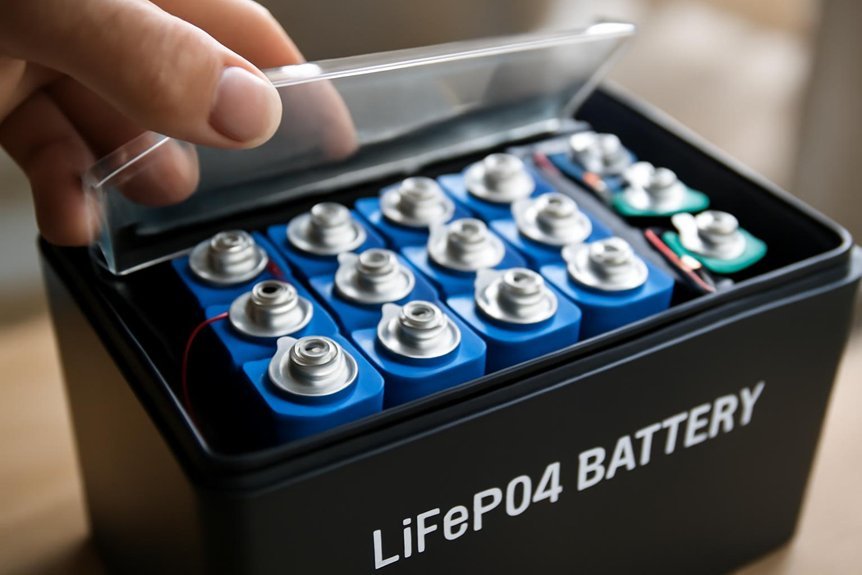
How often should you check your LiFePO4 battery to guarantee peak performance? Regular inspections are essential for enhancing battery lifespan and guaranteeing reliable operation. We recommend checking the voltage and current levels monthly, especially in demanding applications, to identify early signs of capacity loss or imbalance. Consistent testing helps maintain ideal charge cycles and prevents deep discharges that could diminish lifespan. Follow maintenance tips like keeping terminals clean and monitoring temperature during use. A systematic approach to inspections allows you to detect potential issues before they escalate, prolonging the battery’s functional life. By integrating these checks into your routine, you guarantee your LiFePO4 battery operates efficiently, reducing downtime and extending its overall durability.
Recognizing Signs That Your Battery Needs Inspection
We need to be alert to signs like unusual battery behavior, such as inconsistent charging or discharging patterns, which can indicate internal issues. Reduced power output is another critical indicator, suggesting the battery may no longer sustain peak performance. Visible physical damage, including swelling or corrosion, also signals the need for immediate inspection to prevent potential failure.
Unusual Battery Behavior
Detecting abnormal behavior in your LiFePO4 battery is essential for maintaining its longevity and performance. Signs of unusual behavior often stem from issues in battery chemistry or environmental factors affecting operation. Sudden voltage drops, inconsistent charging cycles, or unexpected temperature rises indicate potential internal or external stress. These anomalies suggest the need for inspection to prevent damage.
| Behavior | Possible Cause |
|---|---|
| Rapid voltage fluctuations | Battery chemistry imbalance |
| Excessive heat generation | Environmental factors or internal faults |
| Inconsistent capacity | Degradation or faulty cells |
| Extended charging times | Aging or environmental impact |
Regular monitoring helps identify these signs early, ensuring peak performance and avoiding costly failures.
Reduced Power Output
Reduced power output from a LiFePO4 battery often signals underlying issues that require prompt inspection. This decline typically indicates compromised battery health, which can adversely affect battery longevity if left unaddressed. Factors such as inconsistent or improper charging habits can accelerate capacity loss, leading to diminished performance. When power output drops below expected levels, it suggests internal resistance has increased or cell balancing has become inefficient. Monitoring these signs allows us to assess whether the battery is nearing the end of its peak lifespan or if maintenance is needed. Regularly evaluating power output helps guarantee that charging routines are fine-tuned, preventing premature degradation and extending overall battery longevity. Prompt inspection upon noticing reduced power output is essential for maintaining reliable performance and maximizing the lifespan of your LiFePO4 battery.
Visible Physical Damage
Physical damage to a LiFePO4 battery is a clear indicator that it requires inspection, often correlating with performance issues like reduced power output. Visible signs include cracks, bulges, or warping in the battery casing, which compromise structural integrity and may lead to internal damage. Damaged casing can expose internal components to moisture or contaminants, increasing the risk of failure. Additionally, terminal connections that appear corroded, loose, or deformed suggest compromised electrical contact, potentially causing voltage irregularities or overheating. These physical abnormalities signal that the battery’s safety and performance could be at risk, necessitating immediate inspection. Regularly monitoring the battery casing and terminal connections helps prevent failures, ensuring efficient operation and longevity of the LiFePO4 system.
Daily and Weekly Checks: What Should You Look For?
Regular inspections are essential to maintaining LiFePO4 batteries’ performance and longevity. During daily and weekly checks, we focus on identifying potential issues early, ensuring safe operation and effective battery maintenance. Key aspects include monitoring voltage levels, inspecting for corrosion or swelling, and verifying terminal connections. Safety precautions involve disconnecting power before inspection and wearing protective gear.
| Check Area | What to Look For |
|---|---|
| Voltage and Current | Consistent readings within specs |
| Physical Condition | Swelling, leaks, or corrosion |
| Connections | Tight, clean, free of corrosion |
Monthly and Quarterly Maintenance Tasks for LiFePO4 Batteries
During monthly and quarterly maintenance, we focus on verifying voltage levels to guarantee peak performance, inspecting terminals for corrosion or buildup, and testing the battery’s capacity to detect any decline. These steps help us identify potential issues before they escalate, maintaining the battery’s longevity. Precise execution of these tasks is essential for peak system reliability and safety.
Check Voltage Levels
Checking voltage levels is a critical step in maintaining LiFePO4 batteries, as it provides a direct measure of their state of charge and overall health. Regular voltage assessments help identify voltage fluctuations that may indicate underlying issues, such as imbalanced cells or impending capacity loss. Monitoring voltage during monthly and quarterly checks allows us to detect subtle declines or irregularities early, ensuring peak battery performance. Maintaining voltage within recommended ranges safeguards battery health and prolongs lifespan. Significant deviations from expected voltage levels, especially under load or during rest, signal potential problems that require further investigation. By systematically tracking voltage, we can prevent unexpected failures and enhance charging protocols, ultimately ensuring the longevity and reliable operation of LiFePO4 batteries.
Inspect for Corrosion
Inspecting for corrosion is an important component of maintaining LiFePO4 batteries, as corrosion on terminals and connections can greatly impair electrical performance and safety. Corrosion prevention begins with regular visual inspections, focusing on terminal areas and wiring connections. Signs of corrosion include white, greenish, or bluish deposits, which indicate electrolyte leakage or oxidation. Effective battery cleaning involves carefully removing any corrosion using a mixture of baking soda and water, applied with a non-metallic brush, followed by thorough drying. Maintaining clean terminals guarantees ideal conductivity and prevents current disruptions. Incorporating routine corrosion checks into your maintenance schedule helps identify early signs of deterioration, allowing timely intervention and extending battery lifespan. Proper battery cleaning and corrosion prevention are vital for reliable operation.
Test Battery Capacity
Regularly testing the capacity of LiFePO4 batteries is essential for guaranteeing peak performance and longevity. Capacity testing provides critical data on the battery’s current state and helps identify potential capacity fade, which impacts overall battery longevity. Conducting these tests monthly or quarterly allows us to monitor performance trends accurately. Using specialized equipment, we measure the actual amp-hour capacity against the battery’s rated capacity, pinpointing deviations that could signal internal degradation. This process enables proactive maintenance, such as balancing cells or replacing aging batteries before failure occurs. Consistent capacity testing guarantees ideal operation, reduces unexpected downtime, and extends the lifespan of the battery system. Ultimately, this analytical approach safeguards investment and maintains reliable power output over the battery’s service life.
How to Perform a Full Capacity Test and Why It Matters
Conducting a full capacity test on a LiFePO4 battery involves systematically discharging it under controlled conditions to measure the actual usable energy compared to its rated capacity. This process helps identify capacity degradation over time and guides maintenance schedules. Testing frequency should balance between catching early capacity loss and avoiding unnecessary wear. The table below highlights key parameters:
| Parameter | Specification |
|---|---|
| Discharge Rate | 0.2C to 0.5C |
| Cut-off Voltage | 2.5V per cell |
| Rest Period | Minimum 2 hours between tests |
| Data Analysis | Compare actual vs rated capacity |
Regular testing guarantees accurate performance assessment, revealing when capacity degradation impacts system reliability.
Common Mistakes to Avoid When Checking Your Battery
One of the most common mistakes made when checking your LiFePO4 battery is neglecting to follow standardized testing procedures, which can lead to inaccurate results and potential damage. Proper battery maintenance depends on precise inspection techniques, guaranteeing measurements reflect the true health of the cell. A lack of consistency in testing methods, such as using inconsistent load conditions or incorrect multimeter calibration, skews data and hampers diagnostic accuracy. Additionally, rushing through inspections without proper safety precautions can result in safety hazards or overlooked issues. Avoid these pitfalls by adhering strictly to manufacturer guidelines and established testing protocols. This disciplined approach guarantees reliable data, prolongs battery lifespan, and prevents costly errors stemming from improper inspection techniques.
Setting a Personalized Inspection Schedule Based on Usage and Conditions
Since usage patterns and environmental conditions directly influence a LiFePO4 battery’s performance and longevity, establishing a personalized inspection schedule is crucial. By analyzing how often we use the battery and under what conditions, we can optimize inspection frequency to prevent issues and extend lifespan. For instance, high-temperature environments accelerate capacity loss, requiring more frequent checks. Conversely, moderate conditions allow for longer intervals. Here’s a quick reference:
| Usage Pattern | Inspection Frequency |
|---|---|
| Heavy daily use | Weekly or bi-weekly |
| Moderate use | Monthly |
| Infrequent use | Every 2-3 months |
| Extreme conditions | Weekly or as needed |
Adjusting these schedules based on real-world conditions guarantees reliable performance and avoids unnecessary inspections.
Frequently Asked Questions
What Tools Are Best for Inspecting Lifepo4 Batteries?
We prefer using a multimeter for voltage testing, a battery analyzer for capacity and health assessment, and thermal cameras for detecting hotspots, ensuring thorough inspection techniques that optimize battery maintenance and longevity.
How Does Temperature Affect Battery Inspection Frequency?
Did you know that temperature extremes can reduce LiFePo4 battery lifespan by up to 50%? Thermal effects from extreme heat or cold greatly impact inspection frequency, so monitoring temperature is essential to prevent damage and guarantee peak performance.
Can I Check My Battery’s Health Without Specialized Equipment?
Yes, you can assess your battery’s health using basic battery maintenance checks, like inspecting for swelling or corrosion, and monitoring voltage and capacity as health indicators, though specialized equipment provides more precise diagnostics for thorough analysis.
How Do Age and Cycle Count Influence Inspection Needs?
Battery aging and cycle impact directly affect inspection needs; as batteries age and undergo more cycles, we recommend more frequent checks to monitor capacity loss, voltage stability, and overall health, ensuring peak performance and preventing unexpected failures.
What Safety Precautions Should I Take During Inspections?
Ever wondered how to stay safe during inspections? We recommend wearing protective gear, conducting visual inspections carefully, and following strict maintenance routines. Are you ensuring your procedures minimize risks and preserve battery integrity effectively?
Conclusion
Regularly inspecting our LiFePO4 batteries is like tuning a fine instrument—small adjustments prevent costly breakdowns and guarantee peak performance. By adhering to recommended schedules based on usage, we catch issues early—much like spotting a crack before it spreads. Consistent checks are an investment in longevity, echoing the principle that diligent maintenance safeguards long-term reliability. Ultimately, proactive care transforms a complex system into a dependable power source, much like a well-tuned instrument produces beautiful music.