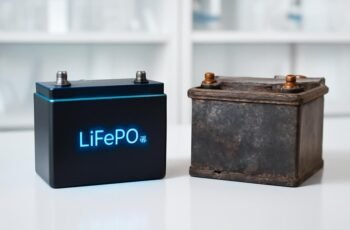
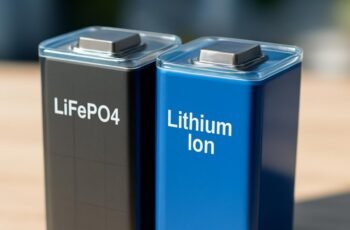
Imagine a marathon runner who trains consistently over years versus one who pushes hard only occasionally; their endurance varies greatly. Similarly, battery lifespan hinges on chemistry, usage, and maintenance. Lifepo4 batteries, with their advanced chemistry, typically outlast lead-acid ones, but understanding the nuances of each can influence long-term reliability. This comparison reveals critical factors that determine which technology truly endures, prompting us to reflect on what impacts their longevity in real-world scenarios.
Key Takeaways
- Lifepo4 batteries typically last 2,000 to 5,000 cycles (8-10 years), while lead-acid batteries last 500 to 1,000 cycles (3-5 years).
- Lifepo4 offers superior cycle stability and minimal capacity loss over its lifespan compared to lead-acid.
- High temperatures and deep discharges shorten lead-acid battery lifespan more significantly than Lifepo4.
- Proper maintenance and environmental conditions greatly influence the longevity of both battery types.
- Despite higher initial costs, Lifepo4 provides better long-term durability and lower replacement frequency.
How Do Lifepo4 and Lead-Acid Batteries Differ in Overall Lifespan?
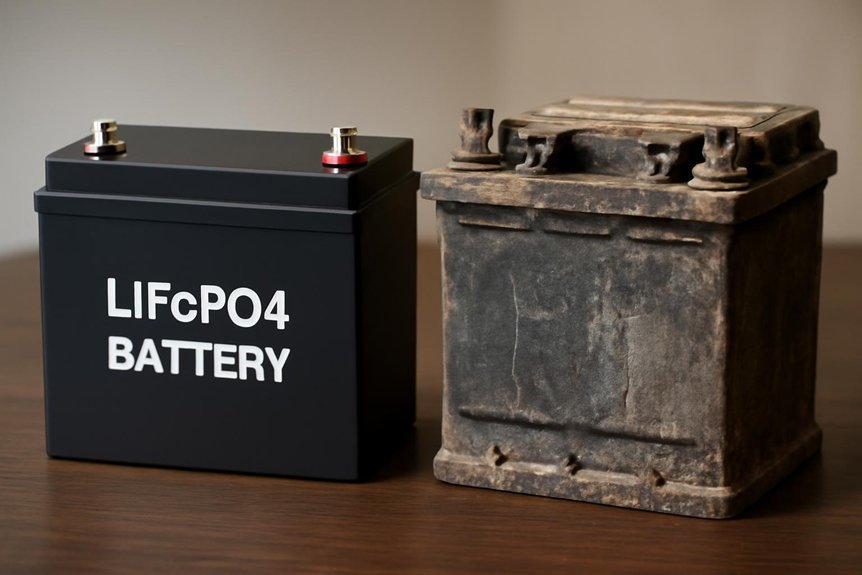
How do Lifepo4 and lead-acid batteries compare with respect to overall lifespan? Battery chemistry plays an essential role in determining longevity, as Lifepo4 cells utilize lithium iron phosphate chemistry, offering more stable and durable cycles. In contrast, lead-acid batteries rely on lead plates submerged in sulfuric acid, which degrade faster over time. Our longevity comparison shows Lifepo4 batteries typically endure 2,000 to 5,000 cycles, translating to 8-10 years, whereas lead-acid batteries often last 500-1,000 cycles or about 3-5 years. The advanced chemistry of Lifepo4 minimizes capacity loss across cycles, making it a more resilient choice for long-term use. This difference highlights Lifepo4’s superior lifespan, driven by its inherently more stable chemical composition and cycle efficiency.
What Factors Influence Battery Lifespan in Real-World Use?
Several key factors directly impact the lifespan of batteries in real-world applications, with operational conditions playing a crucial role. Battery chemistry influences how susceptible a cell is to aging mechanisms, while charging habits and depth of discharge critically affect cycle life. Improper charging can accelerate degradation, and deep discharges strain the chemistry, reducing longevity. Temperature effects are significant; high temperatures accelerate aging, whereas cold environments can impair performance. Environmental stressors, including humidity and vibration, further influence durability. Additionally, usage frequency and load management determine the rate of wear. To optimize lifespan, it’s important to maintain stable conditions, implement proper charging routines, and control discharge levels, minimizing stressors on the battery’s chemistry and structural integrity.
How Long Do Lifepo4 Batteries Typically Last?
Lifepo4 batteries are renowned for their extended service life compared to many other lithium-ion chemistries. This durability largely stems from their stable battery chemistry, which resists capacity loss over multiple cycles. Typically, Lifepo4 batteries last between 2,000 to 5,000 cycles, translating to approximately 8 to 15 years of reliable performance under ideal conditions. Their superior performance metrics include high thermal stability, low self-discharge, and minimal capacity fade. These characteristics enable Lifepo4 cells to maintain consistent voltage and energy capacity over time, reducing degradation rates. As a result, users benefit from longer-lasting energy storage solutions, especially in demanding applications. Overall, the longevity of Lifepo4 batteries is a demonstration of their robust chemistry and favorable performance metrics, making them a preferred choice for long-term use.
What Is the Expected Lifespan of Lead-Acid Batteries?
Lead-acid batteries typically have a shorter operational lifespan compared to lithium-based chemistries, primarily due to their chemical and structural limitations. The expected lifespan depends on factors like battery chemistry and discharge rates, which influence degradation. Generally, lead-acid batteries last between 3 to 5 years under ideal conditions. Key considerations include:
- The capacity to withstand high discharge rates, which accelerates capacity loss.
- The chemical stability of the lead-acid chemistry, leading to sulfation and grid corrosion over time.
- Maintenance practices, such as proper charging, greatly impacting longevity.
These factors cumulatively reduce the number of charge cycles, making lead-acid batteries less durable over extended periods. Consequently, their lifespan is inherently limited compared to more resilient chemistries like Lifepo4.
How Do Usage Patterns Impact the Durability of Each Battery Type?
Usage patterns profoundly influence the durability of both Lifepo4 and lead-acid batteries, as they directly affect the number of charge cycles and internal chemical stability. High usage frequency and deep discharge cycles accelerate capacity loss, especially if charging habits are inconsistent or incomplete. Lifepo4 batteries tolerate shallower discharge depths better, prolonging lifespan, whereas lead-acid batteries experience more rapid deterioration under deep cycling. Temperature effects significantly impact performance; elevated temperatures hasten chemical degradation, while cool temperatures can inhibit chemical reactions. Load demands and cycle patterns also matter: heavy loads and irregular cycling reduce longevity. Proper maintenance routines, such as equalization and regular capacity checks, are essential for lead-acid batteries. Different application types inherently impose distinct usage stresses, shaping each battery’s overall durability over time.
How Do Environmental Conditions Affect Lifepo4 and Lead-Acid Battery Lifespan?
Environmental conditions play a significant role in determining the longevity of batteries, influencing their chemical stability and overall performance. Temperature effects are critical; high temperatures accelerate degradation, while low temperatures hinder chemical reactions. Humidity impact can lead to corrosion and reduce lifespan if not properly managed. Storage conditions, including insulation properties and ventilation needs, are crucial—poor ventilation increases temperature and humidity, shortening battery life. Proper thermal management minimizes temperature fluctuations, preserving capacity over time. Additionally, charging cycles and discharge rates are affected by external factors: excessive rates can cause thermal stress, especially under suboptimal environmental conditions. As a result, controlling ambient temperature, humidity, and storage parameters is essential to optimize the lifespan of both Lifepo4 and lead-acid batteries.
What Are the Common Signs That a Battery Is Near the End of Its Life?
As batteries age, their performance declines, and several measurable signs indicate they are approaching the end of their operational lifespan. Key battery indicators include reduced capacity, increased internal resistance, and noticeably longer charging times. These are clear replacement signs, signaling that the battery can no longer reliably supply power. Voltage drops under load or fails to reach ideal levels also suggest deterioration. Additionally, frequent recharging, diminished run time, or inconsistent operation further confirm that the battery’s health is compromised. Recognizing these signs early allows for timely replacement, preventing unexpected failures. Tracking these battery indicators with regular testing can help determine when a battery is near its end, ensuring optimal system performance and safety.
How Can Proper Maintenance Extend Battery Lifespan?
Regular maintenance plays an essential role in maximizing battery lifespan, as it helps identify and address potential issues before they escalate. Proper battery care involves systematic inspection and adherence to maintenance tips that enhance performance and longevity.
- Regularly monitor voltage and specific gravity to guarantee consistent charge levels and detect early signs of deterioration.
- Keep terminals clean and free of corrosion to maintain peak electrical connections.
- Follow recommended charging protocols, avoiding overcharging or deep discharges, which can accelerate degradation.
Implementing these maintenance tips ensures batteries operate within optimal parameters, reducing stress and prolonging lifespan. Consistent attention to these factors helps prevent capacity loss and improves overall efficiency, making maintenance a critical component of effective battery management strategies.
Which Battery Type Offers Better Longevity for Off-Grid Applications?
When evaluating longevity for off-grid use, battery cycle life and maintenance needs are critical factors. Lifepo4 batteries generally offer more charge-discharge cycles and require less upkeep than lead-acid counterparts. Analyzing these points helps determine which technology sustains performance over extended periods in remote applications.
Battery Cycle Life
Battery cycle life directly impacts the longevity and reliability of off-grid energy systems, making it a vital factor in choosing the right technology. Lifepo4 batteries generally offer higher cycle counts due to stable battery chemistry, often exceeding 2000 charge cycles, compared to lead acid’s 500-1000 cycles. Discharge rates and temperature effects considerably influence degradation factors, where Lifepo4’s superior usage efficiency maintains performance over many cycles. Conversely, lead acid batteries are more sensitive to deep discharges, shortening their cycle life. Application suitability depends on these factors, with Lifepo4 better suited for high-cycle, long-term use. Key considerations include:
- Battery chemistry’s impact on cycle durability
- Discharge rates and temperature effects on lifespan
- Degradation factors influencing long-term performance
Maintenance Requirements
Lifepo4 batteries typically require less maintenance over their lifespan compared to lead acid options, making them more suitable for off-grid applications where consistent performance is critical. Their robust chemistry reduces the need for regular equalization charges and minimizes the risk of sulfation. Proper battery care involves monitoring voltage and temperature to prevent overcharging or overheating, which can degrade cell integrity. Maintenance tips include ensuring adequate ventilation, avoiding deep discharges, and using appropriate charge controllers. Conversely, lead acid batteries demand more frequent maintenance, such as topping off electrolyte levels and equalization cycles. Overall, Lifepo4 batteries’ lower maintenance requirements translate into reduced operational costs and enhanced longevity, providing a more reliable energy solution for off-grid setups.
What Should You Consider When Choosing Between Lifepo4 and Lead-Acid for Long-Term Use?
When choosing between Lifepo4 and lead-acid batteries for long-term use, we need to carefully evaluate cycle life durability, maintenance demands, and overall cost-effectiveness. These factors directly impact operational longevity and total ownership costs, guiding us toward the most sustainable option. A thorough comparison helps identify which technology aligns best with our long-term energy management goals.
Cycle Life Durability
Because cycle life determines how many charge-discharge cycles a battery can endure before capacity appreciably degrades, it’s a critical factor in selecting a long-term energy storage solution. When comparing Lifepo4 and lead-acid batteries, the performance comparison hinges on their inherent battery chemistry. Lifepo4 batteries typically offer superior cycle durability, often exceeding 2,000 cycles, due to their stable chemistry. In contrast, lead-acid batteries usually provide around 500 to 1,000 cycles, with capacity loss accelerating over time. Key considerations include:
- Chemistry Stability: Lifepo4’s robust chemistry guarantees better retention of capacity across cycles.
- Depth of Discharge: Lifepo4 tolerates deeper discharges without compromising lifespan.
- Environmental Factors: Temperature fluctuations impact lead-acid longevity more adversely than Lifepo4.
Maintenance Requirements
Maintenance requirements greatly influence the long-term performance and cost-effectiveness of battery systems. Proper battery care involves understanding each type’s specific needs; for example, Lifepo4 batteries generally require less frequent maintenance, thanks to their stable chemistry and sealed design. Maintenance tips for lead-acid batteries include regular water level checks and terminal cleaning, as they are more prone to sulfation and corrosion. Lifepo4 batteries, on the other hand, benefit from monitoring voltage and avoiding overcharging, which can extend lifespan and reduce maintenance efforts. When choosing between the two, consider how much ongoing maintenance you’re willing to perform. The lower maintenance demands of Lifepo4 batteries can lead to reduced operational costs and less downtime over time, making them more suitable for long-term applications.
Cost Effectiveness
Cost-effectiveness is a critical factor in selecting the ideal battery type for long-term use, requiring careful analysis of initial investment, operational expenses, and lifespan. When comparing Lifepo4 and lead-acid batteries, it’s essential to evaluate how initial costs impact total ownership costs and long-term savings. A thorough performance comparison reveals Lifepo4’s higher upfront investment but lower maintenance and replacement costs over time. Additionally, environmental impact influences cost calculations, as Lifepo4 batteries typically have a reduced ecological footprint due to longer life cycles and recyclability.
- Initial investment versus long-term savings, assessing durability and maintenance costs.
- Operational expenses, including efficiency and replacement frequency.
- Environmental impact, affecting disposal costs and sustainability considerations.
Frequently Asked Questions
How Do Recycling and Disposal Impact the Environmental Lifespan of These Batteries?
Recycling processes reduce environmental impact by safely reclaiming materials, extending battery lifespans indirectly. Proper disposal prevents toxic leakage, minimizing ecological damage and promoting sustainable lifecycle management for both Lifepo4 and lead acid batteries.
Are There Any Safety Concerns Related to Battery Lifespan Deterioration?
We find that about 10% of battery failures relate to lifespan issues, raising safety concerns like thermal runaway. Strict safety protocols are essential to prevent deterioration-related hazards, especially as batteries age and their internal chemistry changes.
Can Battery Lifespan Be Accurately Predicted With Current Technology?
We believe current technology offers limited prediction accuracy for battery lifespan metrics due to variable usage conditions and aging factors, making precise lifespan forecasting challenging despite advancements in diagnostic tools and data analytics.
How Do Manufacturing Quality Differences Affect Lifespan Variability?
Manufacturing quality, including strict adherence to manufacturing standards and high-quality component materials, greatly influences lifespan variability, as subpar standards and inferior materials accelerate degradation, reducing overall battery longevity and reliability across Lifepo4 and lead acid options.
What Are the Future Advancements Expected to Improve Battery Longevity?
Coincidentally, advances like solid state batteries and nanotechnology innovations promise significant improvements in battery longevity. We expect these breakthroughs to enhance lifespan, increase safety, and optimize performance through enhanced materials and innovative manufacturing techniques.
Conclusion
In the end, choosing Lifepo4 over lead-acid might seem like a no-brainer given its impressive lifespan—unless you’re fond of frequent replacements and declining performance. Ironically, what’s technically more advanced often requires more initial investment, but the long-term reliability and reduced maintenance costs make Lifepo4 the smarter choice for demanding, long-term applications. So, while the upfront cost may sting, the extended lifespan proves it’s a true investment in durability and sustainability.