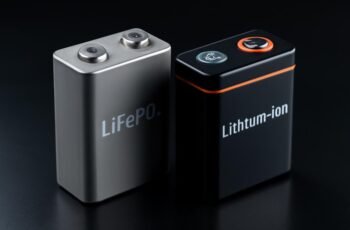
When comparing LiFePO4 and traditional lithium-ion batteries, it’s clear that each has distinct advantages and limitations. While LiFePO4 offers enhanced safety and longevity, lithium-ion batteries are known for their higher energy density. Understanding which technology aligns best with specific applications requires a careful analysis of performance, cost, and long-term benefits. Exploring these factors can help determine the most suitable choice for your needs—and the reasons behind this choice are more nuanced than they initially appear.
Key Takeaways
- LiFePO4 offers superior safety, thermal stability, and resistance to thermal runaway compared to lithium-ion batteries.
- Lithium-ion batteries provide higher energy density, making them better for longer-lasting and lightweight applications.
- LiFePO4 typically has a longer cycle life (2,000–5,000 cycles) than lithium-ion (500–1,500), ensuring durability.
- Although more expensive initially, LiFePO4’s lower maintenance and longer lifespan reduce overall long-term costs.
- LiFePO4 is environmentally friendly, using non-toxic materials, and is ideal for eco-conscious and demanding applications.
What Are the Main Differences Between LiFePO4 and Lithium-Ion Batteries?
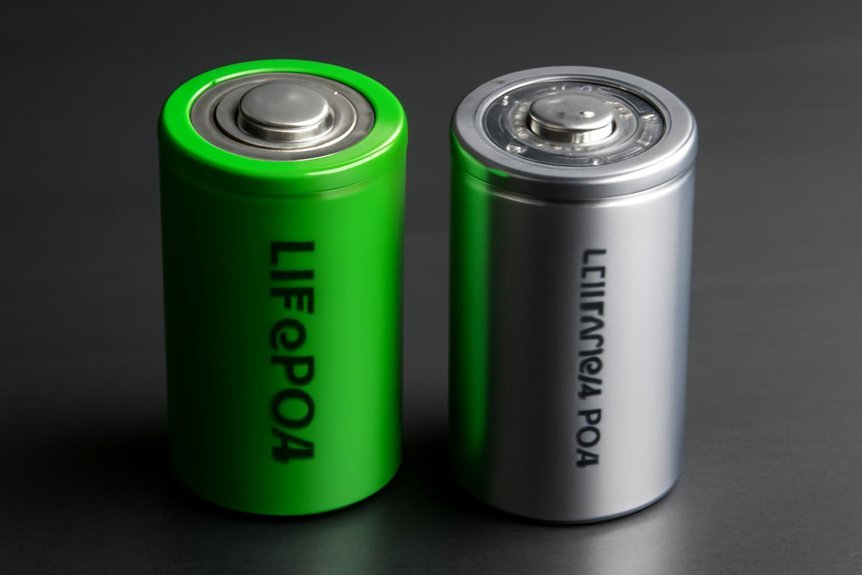
While both LiFePO4 and traditional lithium-ion batteries are popular energy storage solutions, they differ considerably in composition, performance, and safety profiles. LiFePO4 batteries typically have lower energy density compared to lithium-ion variants, which limits their runtime but enhances thermal stability. This thermal stability stems from the chemical structure of lithium iron phosphate, making them less prone to overheating and thermal runaway. Conversely, lithium-ion batteries often offer higher energy density, enabling longer operation periods in compact formats. However, their increased energy density can compromise safety, especially under high stress or damage. Understanding these differences is essential for selecting the best battery type, balancing the need for higher energy capacity against safety and thermal management considerations.
Which Battery Is Safer for Consumer Use?
Are LiFePO4 batteries inherently safer for consumer applications than lithium-ion batteries? Yes, primarily due to their chemical stability, which reduces the risk of thermal runaway. Compliance with safety standards is also more straightforward for LiFePO4, as their non-flammable electrolyte minimizes fire hazards. When analyzing user experiences, LiFePO4 batteries tend to report fewer safety concerns, especially in high-demand situations. Specifically:
LiFePO4 batteries offer safer, more stable performance with lower fire risk and easier safety compliance.
- Their thermal stability lowers the likelihood of overheating or combustion.
- Consistent voltage profiles contribute to safer, predictable operation.
- Strict safety standards are more easily met, ensuring broader consumer confidence.
How Do Performance and Longevity Compare?
When comparing performance and longevity, cycle life durability and charge/discharge rates are critical metrics. Lifepo4 batteries generally offer longer cycle life and better stability under high rates, whereas lithium-ion batteries often have higher energy density but shorter lifespans. Analyzing these factors helps determine which technology better meets specific application demands.
Cycle Life Durability
LiFePO4 batteries generally exhibit a longer cycle life compared to traditional lithium-ion counterparts, primarily due to their stable chemical structure and inherent resistance to capacity fade over repeated charge-discharge cycles. When conducting a cycle life comparison, several longevity factors come into focus:
- Chemical stability: LiFePO4’s robust crystal lattice resists degradation, extending its usable lifespan.
- Temperature tolerance: Better performance at elevated temperatures reduces thermal stress-related capacity loss.
- Charge cycle count: Typically, LiFePO4 batteries sustain 2,000–5,000 cycles, far exceeding standard lithium-ion batteries’ 500–1,500 cycles, highlighting their superior durability.
Understanding these factors helps in evaluating the true longevity of each chemistry under practical operating conditions.
Charge and Discharge Rates
While both LiFePO4 and traditional lithium-ion batteries are capable of handling high charge and discharge rates, their performance and longevity characteristics differ markedly under varying operating conditions. LiFePO4 batteries excel in fast charging scenarios, maintaining stable discharge efficiency without significant thermal stress, which extends their lifespan. Conversely, lithium-ion batteries often experience reduced cycle life when subjected to rapid charge and high discharge rates, as increased heat accelerates degradation of the electrolyte and electrode materials. LiFePO4’s robust thermal stability allows for more aggressive charge/discharge cycles without compromising capacity, whereas lithium-ion batteries tend to exhibit diminished performance and shorter longevity under similar conditions. As a result, for applications demanding frequent fast charging and high discharge currents, LiFePO4 offers a clear advantage in sustaining ideal performance over time.
What Are the Cost Implications of Choosing LiFePO4 vs Lithium-Ion?
Choosing between LiFePO4 and lithium-ion batteries involves careful consideration of initial investment and long-term costs. LiFePO4 cells generally have a higher upfront price but offer significant long-term savings through extended cycle life and reduced replacement frequency. The initial investment impacts overall cost-effectiveness, especially when evaluating environmental impact, as LiFePO4 batteries produce fewer hazardous materials and have a smaller ecological footprint. Additionally, resale value can be influenced by durability and safety features, which favor LiFePO4 in markets emphasizing sustainability.
- Higher initial costs for LiFePO4 are offset by lower maintenance and replacement expenses.
- Long-term savings are driven by longer cycle life and stable performance.
- Environmental benefits enhance resale value and align with eco-conscious consumer preferences.
Which Applications Benefit Most From Lifepo4 Batteries?
Which applications derive the greatest benefit from LiFePO4 batteries often share key characteristics such as high safety standards, long cycle life, and environmental considerations. In solar applications, their stability and longevity make them ideal for energy storage systems, ensuring reliable power supply and grid stability. Electric vehicles benefit from their thermal stability and extended lifespan, reducing maintenance and enhancing safety. Energy storage systems leverage LiFePO4’s deep cycling capabilities, supporting renewable integration and grid resilience. Portable devices with demanding safety requirements also profit from their thermal stability and consistent performance. Marine uses take advantage of their robustness and resistance to harsh conditions. Overall, these applications prioritize safety, durability, and environmental impact, making LiFePO4 batteries the best choice for demanding, sustainable energy solutions.
How Do Charging and Maintenance Requirements Differ?
How do the charging and maintenance requirements of LiFePO4 batteries compare to those of traditional lithium-ion systems? LiFePO4 batteries generally exhibit higher charging efficiency, resulting in reduced energy loss during charging cycles. Their stable chemistry allows for less frequent maintenance, decreasing maintenance frequency. Specifically:
- Charging protocols: LiFePO4 batteries tolerate higher charge rates without degradation, simplifying charging procedures.
- Maintenance frequency: They require minimal balancing and monitoring, unlike lithium-ion systems that may need regular cell balancing.
- Longevity and reliability: Reduced maintenance needs extend operational lifespan, making LiFePO4 batteries more cost-effective over time.
Which Battery Is the Better Choice for Your Needs?
When selecting between Lifepo4 and lithium-ion batteries, evaluating their lifespan, durability, and total ownership costs is essential. Lifepo4 batteries generally offer longer cycle life and enhanced stability, but often come at a higher initial investment, while lithium-ion options may require more frequent replacements. By analyzing these factors, we can determine which battery aligns best with your operational and budgetary requirements.
Battery Lifespan and Durability
Although both Lifepo4 and lithium-ion batteries offer reliable energy storage, their durability and lifespan differ greatly due to their chemical compositions and design. Lifepo4 batteries typically exhibit a longer cycle life—often exceeding 2,000 cycles—attributable to their stable battery chemistry, which resists degradation. In contrast, lithium-ion batteries usually provide around 500–1,000 cycles before capacity diminishes considerably. Additionally, Lifepo4 batteries tend to have better thermal stability and are less prone to capacity loss from environmental impact. The environmental impact of Lifepo4 is also lower, given their non-toxic materials and reduced recycling concerns. Thus, for longevity and sustainability, Lifepo4 generally outperforms lithium-ion, making it the more durable choice for demanding applications.
Cost and Maintenance Needs
While Lifepo4 batteries typically involve higher upfront costs, their lower maintenance needs and extended lifespan can enhance long-term cost analysis. They require minimal maintenance, reducing routine upkeep and replacement expenses. Proper maintenance tips, such as avoiding deep discharges and maintaining balanced cell conditions, help maximize performance and longevity. Lithium-ion batteries, conversely, often demand more frequent monitoring for capacity fade and thermal management, which can increase overall operational costs. Although initial investments in Lifepo4 are higher, their durability and lower ancillary expenses can offset initial costs over time. When evaluating which battery suits your needs, consider long-term savings through reduced maintenance and replacements. Ultimately, Lifepo4’s lower total cost of ownership can make it the more economical choice, especially in applications demanding reliable, long-term performance.
Frequently Asked Questions
How Environmentally Friendly Are Lifepo4 and Lithium-Ion Batteries?
We find LiFePO4 batteries more environmentally friendly due to their sustainability factors and safer production processes, resulting in less toxic waste and longer lifespan, whereas lithium-ion batteries pose greater environmental risks during manufacturing and disposal.
Can Lifepo4 Batteries Handle Extreme Temperatures Better?
We find that LiFePO4 batteries exhibit superior temperature resilience and thermal stability, making them more suitable for extreme temperatures. Their consistent performance under thermal stress highlights their advantage in environments with fluctuating or high temperatures.
Which Battery Type Has a Higher Energy Density?
Lithium-ion batteries offer higher energy density, making them superior for compact energy storage solutions, while LiFePO4 batteries excel in thermal stability and longevity. Our performance comparison highlights lithium-ion’s advantage in energy density for demanding applications.
Are Lifepo4 Batteries Recyclable?
Lifepo4 batteries are recyclable, supporting sustainable battery lifecycle management. Lifepo4 recycling processes recover valuable materials efficiently, reducing environmental impact and promoting a circular economy, making them a more eco-friendly choice compared to other lithium-ion chemistries.
How Does Weight Impact Portable Device Applications?
Weight impacts portable device applications considerably; ideal weight distribution enhances device performance by reducing strain and improving balance, allowing for better handling and efficiency. Lighter batteries like LiFePO4 contribute to superior performance through minimized weight, perfecting device ergonomics and longevity.
Conclusion
In our experience, choosing between LiFePO4 and lithium-ion batteries is like selecting the right tool for a demanding job—we need reliability and efficiency. While lithium-ion offers higher energy density, LiFePO4’s superior safety, longer cycle life, and stability often make it the smarter investment over time. Just as a sturdy foundation supports a resilient building, LiFePO4’s durability guarantees consistent performance, making it the preferable choice for critical, long-term applications.