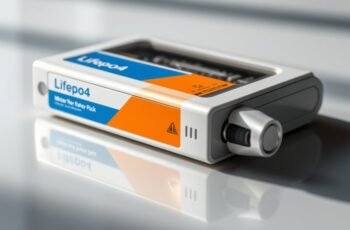
LiFePO4 batteries are often touted as the most durable energy storage solution, but their actual lifespan can be surprisingly variable. While some last over a decade, others may degrade much sooner due to a range of factors that influence their longevity. Understanding what determines their lifespan is essential for optimizing performance and planning for replacements. So, what exactly affects how long these batteries truly last?
Key Takeaways
- LiFePO4 batteries typically last 8 to 10 years, or around 2,000 to 5,000 charge cycles.
- Proper maintenance and optimal charging habits can extend their lifespan.
- High temperatures and deep discharges accelerate battery degradation.
- Signs of end-of-life include reduced capacity, shorter run times, and increased internal resistance.
- Recycling and responsible disposal help minimize environmental impact at the end of their lifespan.
How Long Do LiFePO4 Batteries Typically Last?
How long do LiFePO4 batteries typically last? Generally, they offer 2,000 to 5,000 charge cycles, translating to roughly 8 to 10 years of reliable use. This longevity notably reduces the frequency of replacement and minimizes battery waste, positively impacting the environment. Unlike other chemistries, LiFePO4 batteries are more stable and less prone to thermal runaway, which enhances safety and durability. Their extended lifespan also supports effective battery recycling, lessening environmental impact by decreasing hazardous waste. Proper management and recycling of these batteries ensure that valuable materials are recovered and reused, further reducing ecological footprint. Overall, their durability, combined with responsible disposal practices, makes LiFePO4 batteries an environmentally conscious choice in energy storage solutions.
Factors That Influence the Lifespan of LiFePO4 Batteries
Several key factors directly impact the lifespan of LiFePO4 batteries, with operational conditions and maintenance practices playing critical roles. Elevated temperatures accelerate degradation, reducing cycle life, while deep discharges can strain internal components. Proper maintenance, including regular capacity monitoring and avoiding overcharging, helps prolong battery health. Additionally, sustainable practices like battery recycling mitigate environmental impact and influence overall longevity by ensuring safe disposal and material recovery. External factors such as humidity and mechanical stress also contribute to wear, emphasizing the importance of controlled environments. Recognizing these factors enables us to optimize battery management, extend lifespan, and promote environmentally responsible handling, ensuring LiFePO4 batteries serve longer while minimizing ecological footprint.
How Usage Patterns Affect Battery Longevity
Our charging habits considerably influence LiFePO4 battery longevity; frequent shallow charges tend to preserve capacity better than deep discharges. Additionally, the depth of discharge directly correlates with cycle life, where shallower cycles extend overall lifespan. Understanding these patterns allows for optimization of usage to maximize battery durability.
Charging Habits Impact Durability
Charging habits play a crucial role in determining the lifespan of LiFePO4 batteries. Proper charging reduces stress and prolongs cycle life, impacting overall durability. Overcharging or rapid charging accelerates capacity fade, leading to earlier replacements and increased waste. Conversely, maintaining ideal charge levels minimizes degradation and supports sustainable practices like battery recycling, reducing environmental impact. To analyze this, consider the following:
| Charging Practice | Effect on Battery Life | Environmental Impact |
|---|---|---|
| Fast Charging | Accelerates capacity loss | Increased waste, higher recycling needs |
| Maintaining 20-80% Charge | Preserves battery health over time | Reduces waste, promotes sustainability |
| Overcharging | Causes thermal stress, shortens lifespan | Higher disposal frequency |
Adopting controlled charging habits supports both battery longevity and environmental responsibility.
Depth of Discharge Effects
The depth of discharge (DoD) markedly influences the overall lifespan of LiFePO4 batteries, as deeper discharges impose greater stress on the cell chemistry and structural stability. Frequent high DoD cycles accelerate capacity fade by intensifying chemical reactions within the battery, reducing cycle life. Conversely, shallower discharges preserve battery chemistry integrity, extending longevity. Environmental factors, such as temperature fluctuations, further compound these effects; elevated temperatures accelerate degradation, while colder conditions can slow discharge but may induce other stressors. Proper management of usage patterns—avoiding deep discharges and maintaining ideal environmental conditions—helps mitigate stress on the battery’s chemistry, ensuring longer operational life. Understanding these interactions is essential for maximizing cycle life and preserving the structural stability of LiFePO4 cells over time.
The Role of Maintenance in Extending Battery Life
Regular inspection practices enable early detection of potential issues, preventing capacity loss and ensuring ideal performance. Proper charging techniques help maintain battery health by avoiding overcharging and deep discharges that accelerate degradation. Implementing these maintenance strategies can considerably extend the operational lifespan of Lifepo4 batteries.
Regular Inspection Practices
Conducting regular inspections is essential for maintaining LiFePO4 batteries and maximizing their lifespan. Systematic checks help identify potential issues early, reducing the risk of capacity loss and environmental impact from premature disposal. Key practices include:
- Monitoring voltage and temperature levels to detect abnormal fluctuations indicating degradation.
- Inspecting terminal connections for corrosion or looseness, ensuring peak performance and safety.
- Evaluating overall usage patterns and cycle history to plan for battery recycling, minimizing waste and environmental impact.
Proper Charging Techniques
Proper charging techniques are fundamental to maintaining LiFePO4 battery health and extending its lifespan. Consistently applying controlled charging protocols prevents overcharge and deep discharge cycles, which can accelerate capacity fade. Using chargers with precise voltage regulation minimizes stress on the cells, preserving their integrity. Properly managing charge cycles also supports sustainable practices like battery recycling, reducing premature disposal and environmental impact. By maintaining ideal charge levels, we reduce the likelihood of capacity loss, thereby prolonging operational life and decreasing the frequency of replacement. This not only enhances economic efficiency but also lessens the environmental footprint associated with manufacturing and disposal. Implementing meticulous charging strategies ensures batteries operate efficiently while contributing to responsible resource management.
Signs Your LiFePO4 Battery Is Near the End of Its Life
As lithium iron phosphate (LiFePO4) batteries approach the end of their lifespan, several indicators signal diminished capacity and performance. First, a noticeable decrease in energy storage efficiency results in shorter run times, prompting more frequent recharging. Second, voltage fluctuations during discharge become irregular, indicating degraded internal chemistry. Third, increased internal resistance manifests as heat generation and reduced overall power output. Recognizing these signs is essential for planning battery recycling processes, minimizing environmental impact, and avoiding premature disposal. Early detection allows for responsible recycling, reducing hazardous waste and promoting sustainability. Monitoring performance metrics closely helps determine when the battery’s decline justifies replacement, ensuring peak operation while aligning with environmental considerations.
How to Maximize the Lifespan of Your LiFePO4 Battery
Maximizing the lifespan of your LiFePO4 battery requires careful management of charge cycles, temperature, and usage patterns. Limiting deep discharges and maintaining ideal operating temperatures (around 20-25°C) reduces stress on the cells, extending longevity. Properly balancing charge and avoiding overcharging or undercharging helps preserve capacity over time. Additionally, promoting eco-friendly practices like battery recycling minimizes environmental impact, ensuring responsible disposal when the battery reaches end-of-life. Regular monitoring of battery health and adopting smart charging strategies can prevent premature degradation. By prioritizing these technical approaches, users can maximize the functional lifespan of their LiFePO4 batteries, reduce waste, and support environmental sustainability, aligning performance with ecological responsibility.
Comparing LiFePO4 Battery Lifespan to Other Battery Types
LiFePO4 batteries generally offer a longer lifespan compared to many traditional lithium-ion chemistries, primarily due to their stable chemical structure and thermal resilience. This durability translates into more charge cycles and sustained performance over time. When comparing lifespan:
- Lithium cobalt oxide (LCO) batteries typically last 300-500 cycles, whereas LiFePO4 batteries often reach 2,000-3,000 cycles.
- Lithium nickel manganese cobalt oxide (NMC) batteries have similar cycle counts but degrade faster under thermal stress.
- LiFePO4’s extended lifespan benefits battery recycling efforts, reducing environmental impact by decreasing waste and resource extraction needs.
What to Expect in Terms of Replacement Costs and Timing
Given their extended cycle life, LiFePO4 batteries generally require replacement less frequently than other chemistries, but understanding the associated costs and timing remains essential for effective planning. Replacement costs typically range from moderate to high, influenced by battery capacity and market factors. When nearing end-of-life, responsible battery recycling minimizes environmental impact and recovers valuable materials, reducing waste and extraction demands. The timing of replacement depends on usage patterns, operational conditions, and performance degradation, which generally occurs after 8-10 years or 2,000-5,000 cycles. Staying informed about advances in battery recycling technologies and costs helps optimize lifecycle management, balancing financial investment against environmental sustainability. Proper planning guarantees minimal downtime and aligns with ecological responsibilities.
Frequently Asked Questions
Can Lifepo4 Batteries Be Recycled After Their Lifespan?
Yes, Lifepo4 batteries can be recycled after their lifespan. We emphasize proper battery disposal and recycling processes, ensuring valuable materials are recovered, environmental impact minimized, and resource sustainability maintained through responsible, technical recycling methods.
How Do Temperature Fluctuations Specifically Affect Battery Longevity?
Temperature fluctuations impact Lifepo4 battery longevity through thermal stability challenges, causing increased degradation. Repeated temperature cycling accelerates capacity loss and internal stress, ultimately reducing lifespan; maintaining consistent temperature conditions preserves ideal performance and prolongs battery life.
Are There Industry Standards for Lifepo4 Battery Lifespan?
Like a steady river carving its path, industry standards for LiFePO4 battery lifespan set benchmarks, considering battery degradation and usage patterns. We rely on these technical guidelines to predict longevity, ensuring ideal performance and safety over time.
Do Brand Differences Significantly Impact Battery Lifespan?
Yes, brand differences considerably impact lifespan due to variations in manufacturing quality and brand consistency, which influence cell integrity, thermal management, and overall durability, ultimately affecting the battery’s long-term performance and reliability.
How Does Charging Speed Influence the Durability of Lifepo4 Batteries?
Charging speed considerably impacts Lifepo4 battery durability; rapid charging can reduce battery cycles by up to 20%. Maintaining a desirable charging rate preserves cell integrity, ensuring longer lifespan and better performance over time.
Conclusion
In conclusion, LiFePO4 batteries typically last between 8 to 10 years, with some reaching up to 5,000 charge cycles. Their chemical stability and thermal resilience considerably outperform traditional lithium-ion options. By maintaining proper usage and regular inspections, we can maximize their lifespan, ensuring reliable performance. Given that a well-maintained LiFePO4 battery can outlast many alternatives by several years, understanding these factors helps optimize investment and sustainability over time.