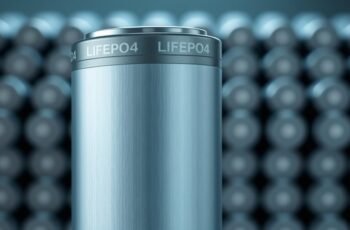
Understanding the factors that influence LiFePO4 battery shelf life is essential for maximizing their performance and longevity. Proper storage conditions, such as temperature, humidity, and state of charge, directly impact how long these batteries can remain viable without significant capacity loss. By analyzing these variables and implementing best practices, we can better predict maintenance needs and avoid premature degradation. Let’s explore the key considerations that determine how long a LiFePO4 battery can effectively be stored.
Key Takeaways
- Proper storage at 0°C to 25°C and below 50% humidity extends LiFePO4 battery shelf life.
- Storing batteries at 50-70% charge minimizes capacity loss during long-term storage.
- Temperature fluctuations and high humidity accelerate capacity degradation and aging.
- Regular inspection for swelling, corrosion, or abnormal heating helps monitor battery health.
- Following responsible recycling and handling practices preserves battery performance and environmental safety.
What Factors Affect Lifepo4 Battery Shelf Life?
Several factors directly influence the shelf life of LiFePO4 batteries, with storage conditions playing a critical role. Proper storage minimizes capacity degradation and extends usable life, reducing the need for premature battery recycling, which can have significant environmental impacts. High temperatures accelerate chemical reactions inside the cell, leading to capacity loss, while deep discharges during storage can cause irreversible damage. Conversely, maintaining a moderate state of charge and stable temperature conditions helps preserve battery integrity. Additionally, external factors such as humidity and exposure to contaminants can accelerate aging. By understanding these influences, we can optimize storage practices to prolong lifespan, reduce waste, and mitigate environmental impact associated with early battery disposal and recycling processes.
How to Properly Store Lifepo4 Batteries for Longevity
To maximize Lifepo4 battery longevity, maintaining ideal charge levels—around 50%—is essential during storage. We also recommend storing batteries in a cool, stable environment to minimize degradation, and utilizing proper, insulated containers to prevent physical damage and moisture exposure. Following these practices ensures the chemical stability and performance of the batteries over extended periods.
Maintain Optimal Charge Levels
How can we guarantee Lifepo4 batteries remain in perfect condition during storage? The key is maintaining peak charge levels to minimize capacity loss over time. We should store batteries at around 50% charge, as this level reduces stress on the cells and preserves battery capacity. Avoid deep discharges or full charges, which accelerate degradation through increased cycling stress. Consistently monitoring charge levels helps prevent unnecessary charging cycles that can diminish longevity. Maintaining stable voltage prevents capacity fade associated with overcharging or undercharging. Regularly checking and adjusting the charge ensures the batteries stay within the ideal range, minimizing capacity loss and extending shelf life. Proper charge management during storage is essential for preserving Lifepo4 battery performance over the long term.
Store in Cool Environment
Maintaining an ideal storage environment is essential for preserving Lifepo4 battery longevity, with temperature control playing a central role. Storing batteries in a cool environment minimizes degradation caused by elevated temperatures, which accelerate capacity loss and reduce the number of effective charging cycles. Recommended storage temperatures typically range between 0°C and 25°C, preventing thermal stress that hampers chemical stability. Proper temperature management also aids in reducing the formation of internal resistance, which impacts battery performance over time. Additionally, stable storage conditions facilitate more efficient battery recycling at end-of-life, supporting sustainable disposal practices. Avoiding temperature fluctuations minimizes capacity fade, ensuring batteries retain their functionality longer. This disciplined approach to storage enhances overall lifespan and aligns with best practices for responsible battery lifecycle management.
Use Proper Storage Containers
Selecting the appropriate storage containers is crucial for safeguarding Lifepo4 batteries against environmental factors that can accelerate degradation. Proper containers prevent exposure to moisture, temperature fluctuations, and contaminants that compromise battery integrity over time. Using sealed, non-conductive materials minimizes risks associated with accidental short circuits and corrosion, thereby extending shelf life. Maintaining consistent storage conditions also supports ideal charging cycles, reducing the need for frequent reconditioning and facilitating effective battery recycling efforts. Containers designed for long-term storage should allow for monitoring voltage and temperature, ensuring early detection of capacity loss or potential failure. By choosing suitable storage solutions, we enhance Lifepo4 longevity, preserve performance, and support environmentally responsible recycling practices, ultimately maximizing the lifespan and sustainability of the batteries.
Signs Your Lifepo4 Battery Is Degrading Over Time
Over time, signs of degradation in a Lifepo4 battery become increasingly evident through measurable changes in performance and capacity. A decline in overall energy storage and reduced charge retention indicate aging, often linked to manufacturing quality variations. As the battery degrades, internal resistance rises, causing voltage drops under load and decreased efficiency. Cycles of deep discharge accelerate capacity loss, signaling that the battery’s lifespan is waning. Additionally, swelling or abnormal heating during operation suggests internal deterioration. Recognizing these signs early is vital for responsible battery recycling, preventing environmental harm and recovering valuable materials. Consistent performance issues reflect cumulative effects of aging, emphasizing the importance of high manufacturing standards to minimize premature degradation and extend usable life.
Best Practices for Maintaining Battery Health During Storage
To maximize a Lifepo4 battery’s lifespan during periods of inactivity, proper storage practices are essential. Maintaining an ideal state of charge—around 50-70%—reduces stress on the cells and preserves capacity. Store batteries in a cool, dry environment, avoiding extreme temperatures that accelerate degradation. Regularly inspecting the battery for signs of swelling or corrosion is critical for safety precautions. When recycling or disposing of batteries, follow proper protocols to prevent environmental harm and recover valuable materials responsibly. Additionally, storing batteries with protective measures such as insulated containers minimizes risk during handling. These practices ensure longevity and safety, supporting sustainable battery management and reducing potential hazards associated with improper storage or disposal.
How Temperature and Humidity Impact Lifepo4 Shelf Life
Temperature and humidity levels considerably influence the longevity of Lifepo4 batteries during storage, as they directly affect the chemical stability and physical integrity of the cells. Fluctuations in temperature can accelerate degradation processes, leading to capacity loss and reduced cycle life. Humidity control is equally critical; excessive moisture promotes corrosion and dendrite formation, compromising safety and performance. To maximize shelf life, storage environments should maintain stable temperatures and low humidity levels. Consider the following factors:
| Factor | Impact |
|---|---|
| Temperature fluctuations | Induce thermal stress, accelerating aging processes |
| Humidity control | Prevents corrosion and moisture-related damage |
| Ideal temperature | Between 0°C and 25°C for prolonged storage |
| Humidity levels | Below 50% relative humidity to reduce moisture risks |
Proper management of these parameters ensures chemical stability and physical integrity over time.
The Role of State of Charge in Battery Preservation
Maintaining an ideal state of charge (SoC) is essential for maximizing the shelf life of Lifepo4 batteries during storage. Research indicates that a SoC around 50-60% maximizes battery preservation by minimizing stress on the cells and reducing capacity fade over time. A high SoC can accelerate electrolyte degradation and increase internal resistance, while a low SoC risks deep discharge damage. Consistently maintaining this best level prevents these issues, ensuring the battery remains in a stable state during dormant periods. Proper SoC management is vital for long-term storage, as it directly influences the chemical stability and overall longevity of Lifepo4 batteries. As a result, precise control of the State of charge is fundamental for effective battery preservation.
How to Extend the Shelf Life of Your Lifepo4 Batteries
Proper handling and storage practices are essential for extending the shelf life of Lifepo4 batteries. Maintaining ideal storage conditions involves keeping batteries in a cool, dry environment with a partial state of charge—around 50%. Limiting the number of charging cycles reduces capacity degradation over time. Regularly monitoring voltage levels prevents over-discharge, which can irreversibly damage cells. Additionally, adopting responsible battery recycling practices ensures that end-of-life batteries don’t contribute to environmental harm, indirectly supporting sustainable lifespan management. Proper recycling processes allow for the safe disposal of degraded cells and facilitate the recovery of valuable materials. By controlling charging cycles, avoiding deep discharges, and adhering to recommended storage conditions, we can greatly prolong the functional shelf life of Lifepo4 batteries.
Common Mistakes That Shorten Lifepo4 Battery Lifespan
Failing to avoid deep discharges is one of the most common mistakes that considerably shorten the lifespan of Lifepo4 batteries. Deep discharges stress the cell chemistry, accelerating capacity fade and increasing degradation risks. Additionally, improper handling related to battery recycling processes can introduce contamination or damage, reducing overall longevity. Poor lithium sourcing practices may result in batteries built with lower-quality materials, affecting stability and cycle life. A lack of controlled charging and discharging protocols exacerbates these issues, leading to premature failure. To maximize lifespan, it’s essential to maintain ideal charge levels, select responsibly sourced lithium, and dispose of batteries properly. Addressing these mistakes ensures better performance, sustainability, and longevity of Lifepo4 batteries, ultimately reducing the environmental impact and preserving their functional integrity over time.
When to Replace Your Lifepo4 Battery for Optimal Performance
Knowing when to replace a Lifepo4 battery is essential for maintaining peak performance and minimizing operational risks. Typically, replacement is warranted when capacity drops below 80%, or cycle life approaches its end, usually around 2,000 to 3,000 cycles. Monitoring voltage and internal resistance provides early indicators of degradation. Proper charger compatibility is necessary; incompatible chargers can accelerate capacity loss or damage the battery, leading to premature replacement. When considering battery recycling, it’s important to replace batteries responsibly, preventing environmental harm and recovering valuable materials. Regular performance assessments, combined with vigilant monitoring of voltage and resistance, help determine the best replacement point, ensuring system reliability and efficiency while supporting sustainable battery lifecycle management.
Frequently Asked Questions
How Long Can Lifepo4 Batteries Sit Unused Without Degradation?
Lifepo4 batteries, when properly maintained and stored at 3.2-3.3V per cell in cool, dry conditions, can sit unused for 1-2 years without significant degradation, emphasizing the importance of regular battery maintenance and ideal storage conditions.
Does the Brand or Manufacturer Affect Shelf Life?
We find that brand reputation and manufacturing quality profoundly influence LiFePO4 battery shelf life, as reputable brands with stringent quality controls ensure better cell stability and reduced degradation over time, leading to longer, more reliable storage periods.
Can Periodic Charging Extend Lifepo4 Battery Shelf Life?
Periodic charging can indeed prolong Lifepo4 battery shelf life; maintaining ideal temperature management and using proper storage containers minimizes degradation. Regular top-ups keep cells balanced, ensuring longevity and readiness, preventing capacity loss during long-term storage.
What Are the Environmental Risks During Long-Term Storage?
Environmental factors like temperature fluctuations, humidity, and exposure to moisture or corrosive elements can degrade Lifepo4 batteries during long-term storage. Ideal storage conditions—cool, dry, and stable—are essential to minimize risks and preserve battery integrity effectively.
How Does Cycling History Influence Future Shelf Stability?
Cycling history acts like a weather vane, revealing electrode stability’s impact on shelf life, as repeated charge-discharge cycles can accelerate chemical decomposition, compromising the battery’s future stability and shortening its long-term shelf life.
Conclusion
In conclusion, properly storing LiFePO4 batteries is like tending a delicate garden—consistent care and ideal conditions cultivate longevity. By monitoring key factors such as temperature, humidity, and SoC, we can prevent premature degradation and extend their lifespan. Regular checks act as our pruning shears, ensuring healthy performance over time. Adopting these best practices transforms storage from a gamble into a strategic investment in the battery’s future, maximizing reliability and efficiency.